As packaging volumes grow, keeping every box looking consistent can become more challenging. Brands may be managing multiple SKUs, regional versions, seasonal designs and promotional runs – all while trying to maintain color consistency and stay on schedule.
That’s where preprint can help.
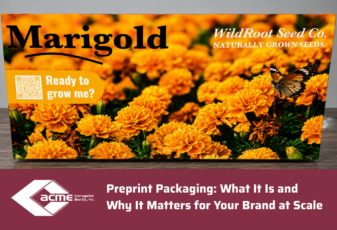
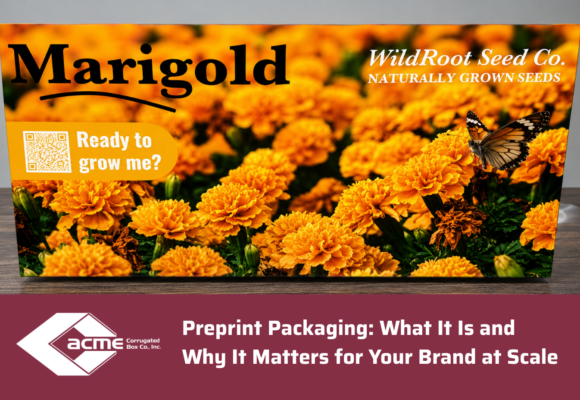
Preprint allows graphics to be printed on the linerboard before it becomes part of the finished corrugated board. For the right packaging program, it can be an efficient way to produce consistent, high-quality graphics at scale.
Here’s how preprint works, where it fits compared with other printing methods and when it may make sense for your packaging.
What Is Preprint?
With preprint, graphics are printed onto the linerboard before that liner becomes part of the finished corrugated board. There are two primary approaches.
- Flexo preprint prints graphics onto a continuous roll of linerboard that is later used in the corrugating process. It is particularly well suited for higher-volume, repeat production where the same graphics will run in significant quantities.
- Digital preprint follows the same basic concept but uses digital printing rather than printing plates. That can make it a good option for shorter runs, multiple versions, seasonal or promotional packaging, and jobs that change more frequently.
Both can support retail-ready packaging, e-commerce packaging, and regional programs that require multiple graphics or labeling versions.
When Does Preprint Make Sense?
Preprint can be worth considering in several common packaging situations.
- Retail-ready and shelf-ready packaging. When the shipping case also appears on the retail floor, print consistency matters. The packaging must protect the product while still presenting the brand well.
- E-commerce and direct-to-consumer packaging. For many customers, the shipping box is their first physical interaction with the brand. Consistent printing helps create the same experience from order to order.
- Seasonal and promotional packaging. Brands that regularly change artwork for holidays, promotions or limited releases need a print process that can accommodate those variations efficiently.
- Regional and multi-version packaging. Products sold with different graphics, messaging or labeling requirements can also be good candidates for preprint, particularly when several versions need to move through production.
The key is matching the printing method to the way the packaging will be produced and used.
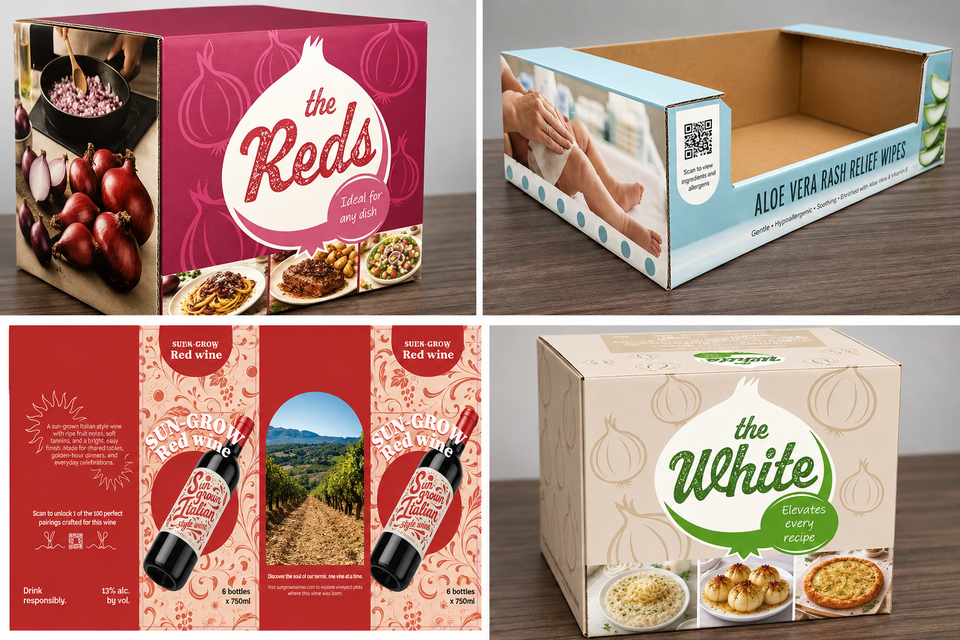
Preprint vs. Traditional Litho Lamination
Litho has traditionally been the benchmark for premium graphics, but today’s digital and flexographic preprint technologies can deliver high-quality, shelf-ready graphics directly on the corrugated liner, eliminating the additional litho-lamination process. Here are some other considerations when choosing between preprint or litho for your packaging:
- Preprint can improve total package economics
Preprint integrates graphics into the corrugated manufacturing process, creating opportunities to reduce total system cost, particularly as program volumes scale.
- Digital preprint changes the volume equation
Litho has often been selected for shorter runs and frequent graphics changes, while traditional flexo preprint favors larger programs. Digital preprint helps bridge that gap, enabling shorter runs, versioning, and SKU flexibility without conventional print plates.
- Flexo preprint delivers scale for established programs
For repeat, higher-volume packaging, flexo preprint combines strong graphics with high-speed corrugator production, making it an attractive alternative to litho when artwork is stable and cost-per-package is a key consideration.
- The best print process should match the program, not convention
Litho remains appropriate for applications requiring exceptional graphic detail or specific finishes, but it should no longer be the automatic choice for high-graphic corrugated packaging. With digital and flexo preprint covering a wider range of volumes and graphic requirements, more litho programs can now be evaluated for conversion to preprint.
Bringing the Complete Package Together
Acme Corrugated Box offers both traditional flexo preprint and digital preprinted linerboard, with coated white, uncoated white and brown substrate options, as well as virgin and recycled fiber options.
But selecting the right print method is only one part of creating packaging that performs well. Acme’s in-house structural design team uses ArtiosCAD and TOPS Pro to evaluate graphics, board grade, structure, strength and production requirements together.
From pallet patterns and performance testing to 3D mockups with print, we look at the complete package to help determine the best way to design and produce it for the job it needs to do.
If you’re comparing preprint with another printing method or looking at options for your printing and packaging in general, watch the replay of our webinar Innovation, Expertise, & Cost Savings: Adding Value Where It Matters, presented by our New Product Development Engineer Brian Winning, for a closer look at design, testing, and production working together.